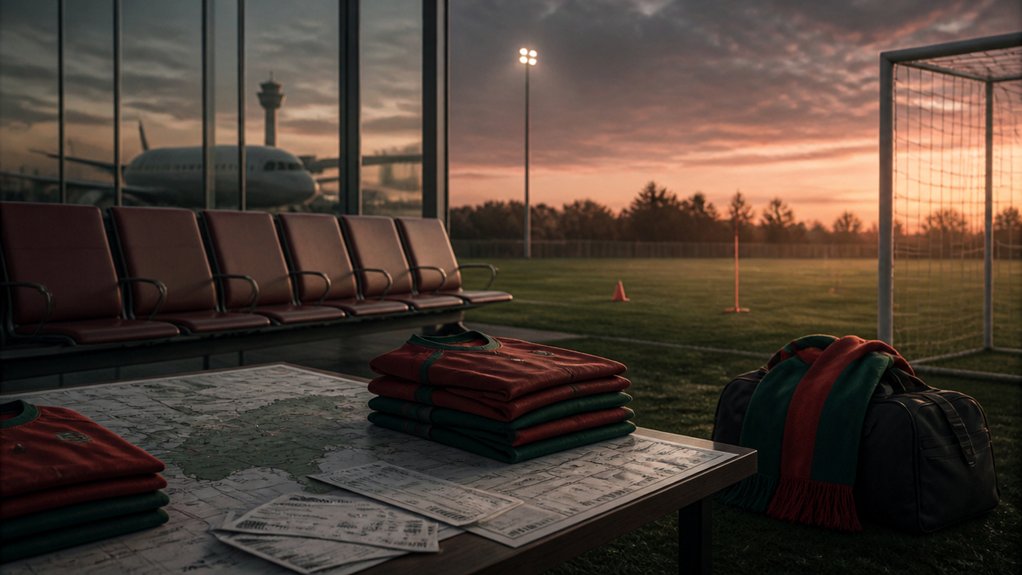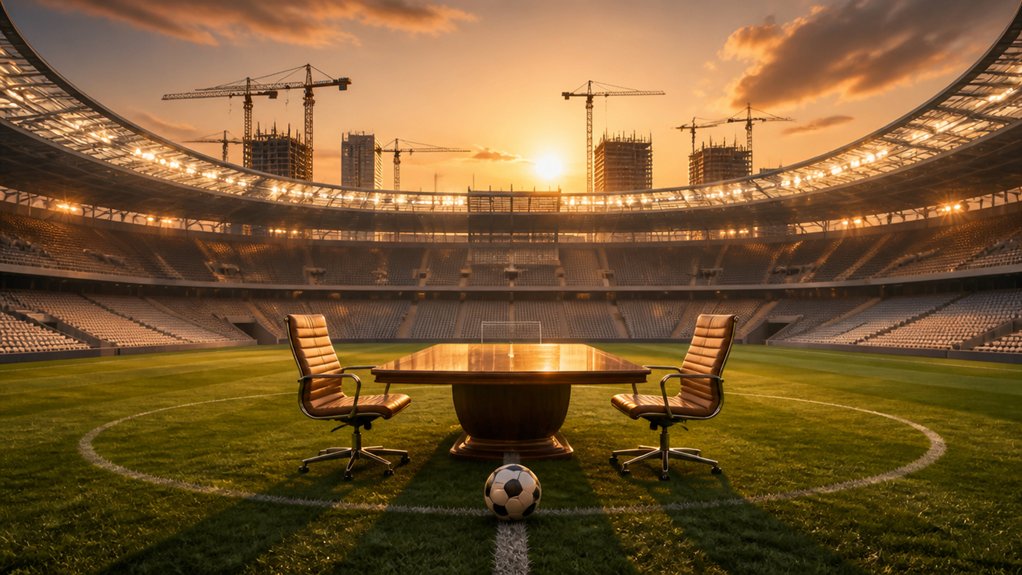

Few countries treat football as deliberately as Morocco does. Over the past decade, the Kingdom has built a structured approach to sports diplomacy, using football as a visible and effective form of soft power. Rather than treating the sport as separate from foreign policy, Moroccan officials fold it directly into strategies meant to strengthen ties across Europe, Africa, and the Arab world. The result is a public diplomacy model where sporting success and diplomatic visibility reinforce one another.
Morocco treats football not as separate from foreign policy, but as one of its most deliberate instruments of soft power.
Major tournaments have become central to this strategy. Morocco hosted the Africa Cup of Nations from December 2025 through January 2026, an event that placed the country at the center of continental attention for nearly a month. Looking further ahead, Morocco will co-host the 2030 FIFA World Cup alongside Spain and Portugal, a role that already shapes diplomatic conversations well before the tournament begins. Its engagement with the 2026 World Cup, largely through cooperation with the United States, adds another layer to this pattern. Hosting duties allow Morocco to demonstrate administrative capacity and political stability, qualities that matter as much to foreign partners as the football itself.
Within Africa, Morocco has positioned itself as one of the continent’s more sophisticated practitioners of sports diplomacy. Investment in training academies, coaching programs, and modern facilities has turned the country into a development hub for African football. This pathway, which carries players from grassroots academies through youth national teams and into the professional ranks, ultimately feeds the senior Atlas Lions squad that represents Morocco on the international stage. These efforts help rebuild relationships with federations and institutions across the continent, supporting Morocco’s broader push to regain influence after earlier periods of diplomatic isolation.
Infrastructure plays a practical role in this strategy as well. Stadiums and training centers built for tournaments double as tools for long-term cooperation, reinforcing Morocco’s image as a capable regional leader. Preparations for hosting duties also accelerate broader modernization efforts, from transport networks to hospitality services.
Beyond the continent, football has helped Morocco deepen ties with international partners. High-level discussions tied to shared tournament cycles have brought Moroccan and American officials together, framing football as a bridge rather than a mere sporting interest. Combined with its African and European relationships, this network reflects a broader ambition: using the sport to project prestige, reliability, and global relevance well beyond the pitch.
Get the Atlas Lions Weekly
The biggest Morocco football stories, player updates and analysis—delivered to your inbox every Sunday.