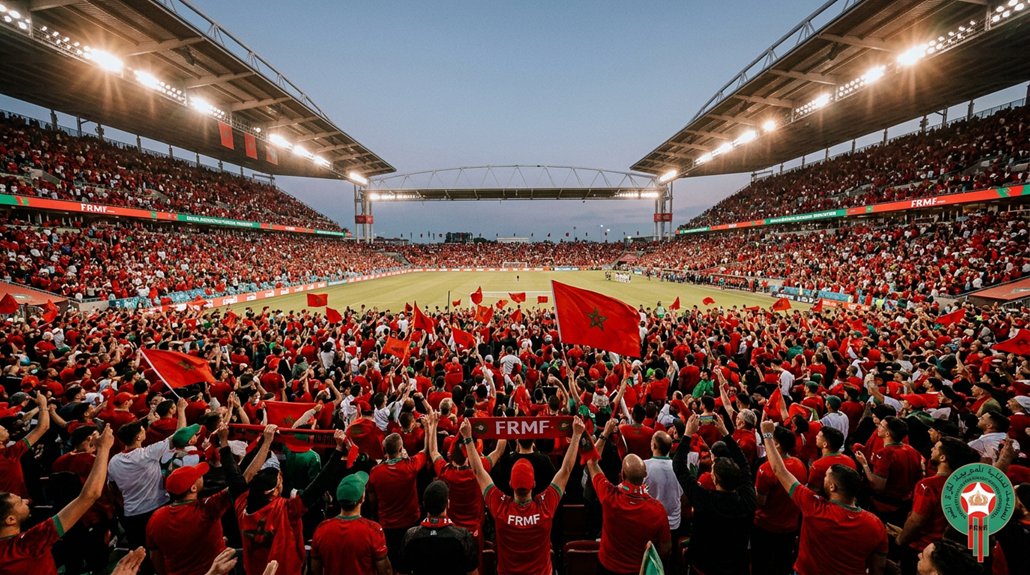

In the wake of Morocco’s rise as a genuine force in world football, the story behind that transformation has little to do with luck. According to Fouzi Lekjaa, president of the Royal Moroccan Football Federation (FRMF), the country’s progress reflects a long-term strategy built on governance reform, not a sudden run of good results. Lekjaa has described the project as a structured model developed over years, tracing its roots to reforms initiated in 2008 aimed at modernizing the sport and expanding infrastructure across the country. The FRMF oversees not only the national teams but also domestic competitions and football development programs across the country.
Morocco’s rise wasn’t luck—it was governance reform in motion, a structured model built since 2008 to modernize the sport.
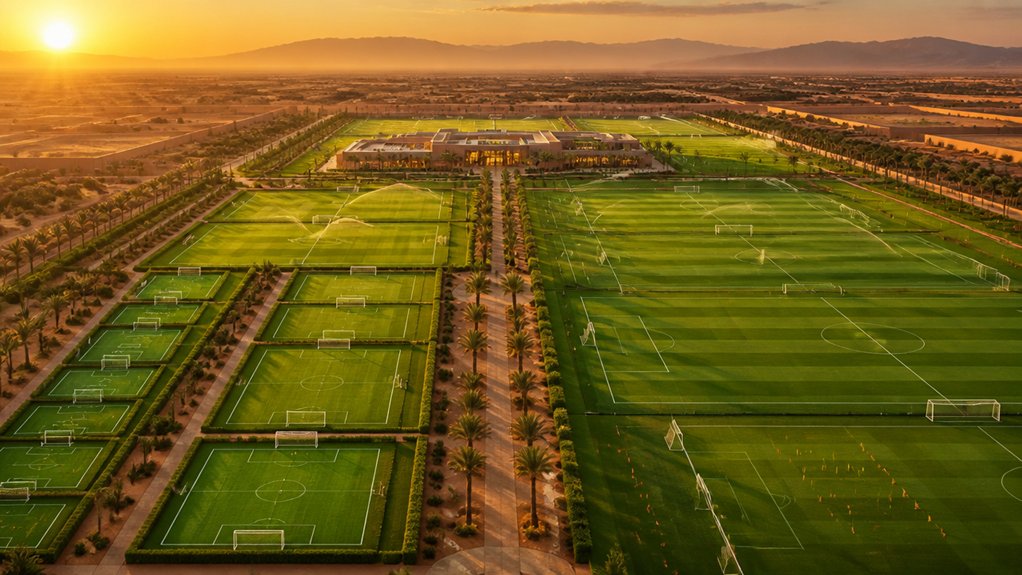
That planning has been treated as an ongoing process, one built on continuous evaluation and adjustment rather than a fixed blueprint. A central part of the model is grassroots talent detection, carried out across Morocco’s 12 regions. Regional development teams identify players early and guide them from mass participation into club academies, regional centers, and eventually the national excellence center. The Mohammed VI Football Academy sits at the heart of this pipeline, supported by cooperation between clubs, schools, federation structures, and FIFA-backed youth programs. This academy has become a cornerstone of Morocco’s talent pipeline, nurturing elite players while reinforcing the national team’s long-term development goals.
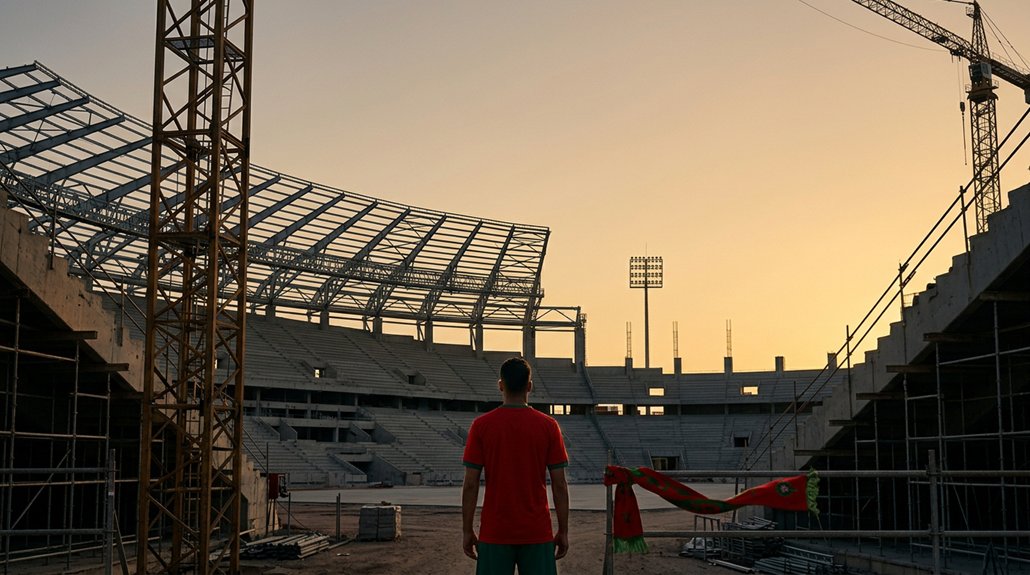
Infrastructure has expanded alongside this talent system. Morocco has invested in training centers, regional facilities, and elite venues, while also redeveloping stadiums and building thousands of amateur pitches. FIFA Arena projects have added 30 mini-pitches nationwide, widening access to the game at the community level. These efforts serve both elite performance and broader participation, according to the FRMF’s stated development strategy.
Lekjaa has also tied Morocco’s football success to education and discipline. A Sport-Étude program, launched with the Ministry of National Education, allows boys and girls to combine schooling with structured football training. The approach places emphasis on fair play, tolerance, and respect, framing player formation as both an athletic and social process.
Professionalization remains another pillar of the strategy. The FRMF has pushed national leagues to modernize their working methods and organizational structures, while asking clubs to take a stronger role in developing talent and preparing players for high-level competition. Officials argue that sustained success, including deep runs at the World Cup and AFCON, depends on this kind of institutional consistency rather than isolated tournament performances.
Get the Atlas Lions Weekly
The biggest Morocco football stories, player updates and analysis—delivered to your inbox every Sunday.